
Climbing Safety Harness: The Backbone of Adventure
Climbing, with its exhilarating challenges and breathtaking views, has captured the hearts of adventure enthusiasts worldwide. Whether scaling towering cliffs, exploring rugged mountains, or conquering indoor climbing walls, the thrill of climbing is unparalleled. However, with adventure comes responsibility, and ensuring safety during climbing activities is paramount. At the core of climbing safety lies the climbing harness, a crucial piece of equipment that provides support, protection, and peace of mind to climbers of all levels.
The Importance of Climbing Safety Harnesses
Climbing safety harnesses serve as the backbone of adventure, offering a lifeline to climbers navigating challenging terrains. These harnesses are meticulously designed to distribute weight evenly, secure climbers to ropes, and mitigate risks associated with falls. The significance of a climbing harness cannot be overstated, as it acts as the last line of defense in potentially dangerous situations.
Types of Climbing Safety Harnesses
Climbing safety harnesses come in various types, each tailored to specific climbing styles and preferences. Traditional harnesses feature padded waist belts, adjustable leg loops, and multiple gear loops, making them ideal for multi-pitch climbing and mountaineering. Sport climbing harnesses, on the other hand, prioritize lightweight designs and minimal padding for enhanced mobility and comfort during dynamic movements. Understanding the different types of harnesses allows climbers to choose the most suitable option for their climbing adventures.
Factors to Consider When Choosing a Climbing Safety Harness
Several factors should be considered when selecting a climbing safety harness to ensure optimal safety and comfort:
- Fit and Comfort: A properly fitting harness is essential for climbing safety. It should snugly fit around the waist and thighs without restricting movement or causing discomfort. Adjustable leg loops and waist belts allow for a customized fit, enhancing comfort during long climbs.
- Construction and Material Quality: High-quality climbing safety harnesses are constructed from durable materials such as reinforced webbing, robust buckles, and breathable padding. These features not only ensure longevity but also provide added safety and comfort during climbing.
- Safety Certifications: Look for climbing safety harnesses that comply with international safety standards, such as UIAA or CE certifications. These certifications indicate that the harness has undergone rigorous testing and meets stringent safety requirements.
- Type of Climbing: Consider the type of climbing activities you will be engaging in, whether it’s traditional climbing, sport climbing, or mountaineering. Choose a harness that aligns with the demands and rigors of your chosen climbing style.
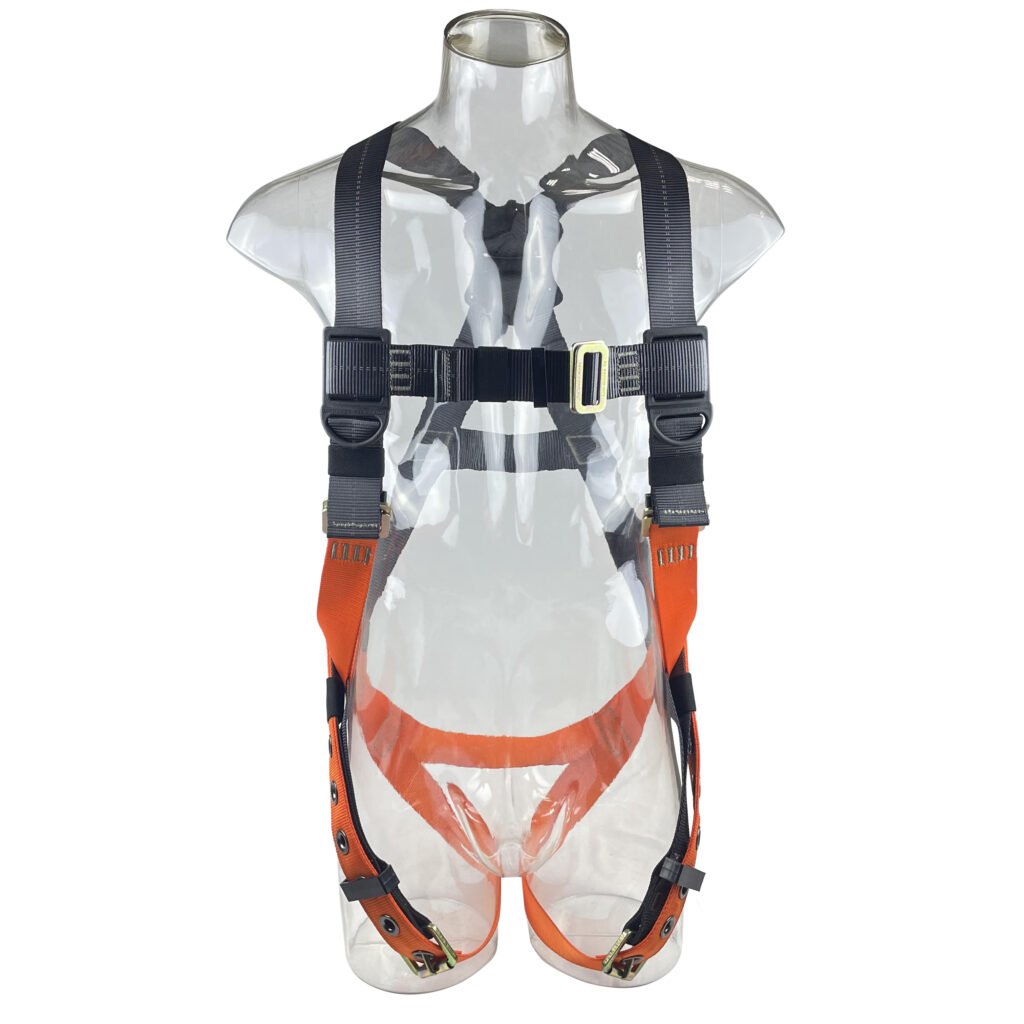
Proper Care and Maintenance of Climbing Safety Harnesses
Regular inspection and maintenance of climbing safety harnesses are crucial to ensure their effectiveness and longevity. Check for signs of wear and tear, such as frayed webbing, damaged buckles, or weakened stitching, and replace any compromised components promptly. Proper storage in a cool, dry place away from direct sunlight helps preserve the integrity of the harness over time.
Safety Tips for Climbing with a Harness
While a climbing safety harness provides essential protection, climbers should also adhere to safety protocols and best practices:
- Double-Check Gear: Before each climb, thoroughly inspect your harness, ropes, carabiners, and other gear for any defects or abnormalities. Ensure that all equipment is properly secured and functional.
- Communication: Maintain clear communication with your climbing partner or team. Establish signals and protocols for communicating during climbs, rappels, and other maneuvers.
- Training and Education: Seek proper training and education in climbing techniques, safety procedures, and emergency protocols. Familiarize yourself with rescue techniques and first aid skills to handle unexpected situations effectively.
- Climb with Caution: Exercise caution and mindfulness while climbing, especially in unfamiliar or challenging environments. Assess risks, plan routes carefully, and avoid unnecessary risks or hazards.
Conclusion
In conclusion, a climbing safety harness is more than just a piece of equipment; it’s a symbol of safety, confidence, and adventure. By choosing the right harness, prioritizing safety protocols, and maintaining proper care, climbers can embark on thrilling climbing journeys with peace of mind. Embrace the challenges, respect the risks, and let the climbing safety harness be your trusted companion on the path to adventure and exploration.