
A small concrete mixer is a practical solution for construction projects that require reliable mixing performance, flexible operation, and easy material handling. Compared with larger mixing equipment, a compact mixer is suitable for small construction sites, farms, workshops, and other locations where space and mobility are important. With different capacity options and power configurations, it helps users prepare concrete, mortar, and other materials efficiently.
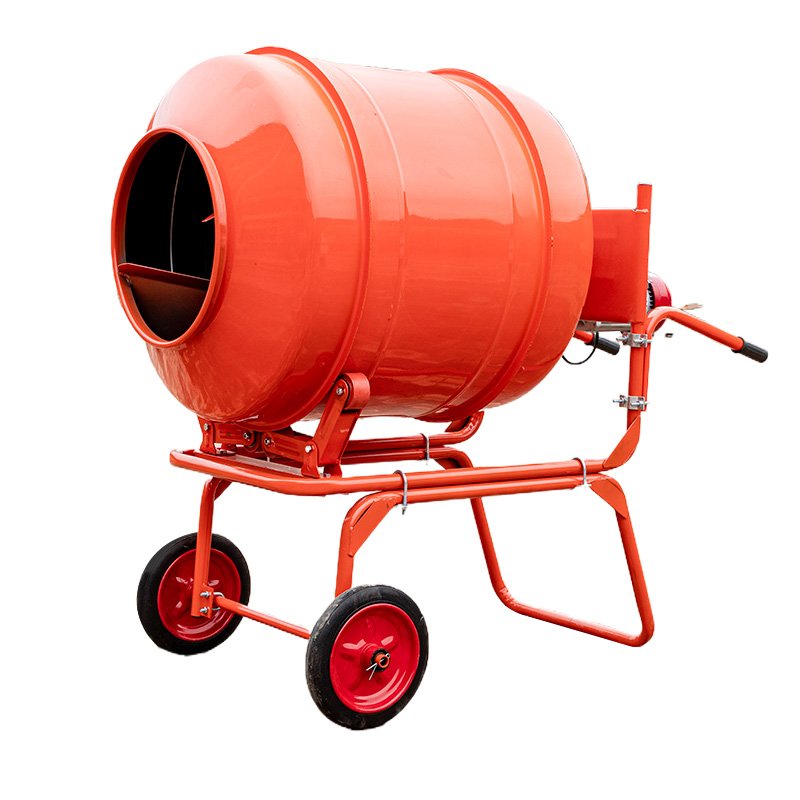
Our hand-pushed concrete mixers are available in CH500L and CH600L four-pulley models, providing practical options for different mixing requirements.
1. What Is a Small Concrete Mixer?
A small concrete mixer is designed to combine cement, sand, aggregates, water, and other materials into a consistent mixture. It is commonly used for small building projects, floor repairs, masonry work, farm construction, and general maintenance.
The hand-pushed design makes it convenient to move around a work area, while the four-pulley structure supports stable positioning and operation. Its compact dimensions also make it a practical choice for sites where larger construction machinery may be difficult to use.
Depending on the working environment, users can choose an electric motor or a gasoline engine configuration to match available power sources and operating needs.
2. CH500L vs. CH600L: Choosing the Right Model
Choosing the right concrete mixer depends on the required mixing volume, motor power, discharge height, and working conditions.
The CH500L four-pulley model offers a maximum mixing volume of 380 kg and a 2.8 kW motor option. With an overall dimension of 1350 × 800 × 1150 mm and a weight of approximately 95 kg, it is suitable for users who need a relatively compact machine for regular mixing tasks.
The CH600L four-pulley model provides a larger maximum mixing volume of 500 kg and a 4 kW motor option. Its overall dimensions are 1400 × 800 × 1150 mm, and it weighs approximately 110 kg. The higher discharge ground distance of 750 mm can also be useful when transferring mixed materials into suitable containers or receiving equipment.
Both models feature a 2.5 mm mixing drum thickness and customizable body colors, allowing buyers to select equipment according to their operational and branding preferences.
When comparing models, buyers should confirm the rated batch capacity, actual output per cycle, and compatibility with their required materials before making a purchasing decision.
3. Key Features of Our Concrete Mixer
Efficient and Consistent Mixing
Reinforced mixing blades and a rotating drum help combine materials more evenly. With a typical mixing time of approximately 3–5 minutes per drum, the machine can support routine preparation work and help reduce manual mixing time. Actual mixing time depends on the material composition, batch size, and required consistency.
Durable Construction
The mixing drum features a spray-painted finish designed to help protect the surface against corrosion and everyday wear. Combined with a sturdy structure, this design supports regular use in suitable indoor and outdoor working environments. Cleaning the drum after use and maintaining moving components can help extend the equipment’s service life.
Flexible Power Options
Electric motor and gasoline engine configurations offer flexibility for different job sites. Electric models may be suitable for locations with a reliable power supply, while gasoline-powered versions can be considered for sites where access to electricity is limited. The available configuration should be confirmed when placing an order.
Wet and Dry Material Applications
The mixer can be used for concrete, mortar, mud, dry powder, animal feed, and other compatible materials, subject to the selected configuration and manufacturer’s operating instructions. For materials with different mixing characteristics, users should confirm suitability before operation and clean the drum thoroughly when changing material types.
4. Where Can a Small Concrete Mixer Be Used?
A small concrete mixer can support a variety of everyday tasks, including residential construction, bricklaying, farm maintenance, workshop projects, and small-scale renovation work.
On construction sites, it helps prepare concrete and mortar for foundations, masonry, and repairs. On farms, it can assist with selected building and maintenance tasks. In workshops, its compact design provides a practical option for preparing compatible materials without requiring a large industrial mixing system.
5. How to Choose a Suitable Concrete Mixer
Before purchasing a small concrete mixer, consider the following factors:
- Mixing capacity: Choose a model that matches your typical batch size and workload.
- Power source: Select an electric motor or gasoline engine configuration according to site conditions.
- Discharge height: Check whether the discharge position suits your receiving container or material-handling setup.
- Machine dimensions and weight: Make sure the equipment fits your working space and can be moved safely.
- Material compatibility: Confirm that the mixer is suitable for your intended materials and operating conditions.
Conclusion
A small concrete mixer offers a practical combination of mixing efficiency, flexible power options, and a compact structure for construction and other material preparation tasks. The CH500L and CH600L four-pulley models provide different capacity and power options to meet varying requirements.
By comparing mixing capacity, power configuration, discharge height, and application needs, buyers can select a concrete mixer that fits their projects and supports reliable day-to-day operation.